zafarhaseeb423@gmail.com
Designing a moody space is not about creating a gloomy cave; it is about intentional contrast, masterful lighting, and curating an atmosphere that feels incredibly expensive and intimate.
The Emotional Weight of Dark Decor
Psychologically, introducing dark colors into your main living space fundamentally changes how you interact with the room. Light colors reflect energy and bounce light, which is excellent for productivity but can sometimes feel overstimulating when you simply want to unwind. Conversely, deep jewel tones and heavy neutrals absorb light. They blur the sharp corners of a room, creating a seamless “cocooning” effect that physically lowers your heart rate and signals to your brain that it is time to rest.
This approach to design positively affects your daily life by providing a dedicated environment for decompression. When your lounge feels like a private, exclusive speakeasy or a luxurious boutique hotel lobby, mundane activities like reading a book or enjoying a glass of wine suddenly feel like elevated, intentional rituals.
Famous Decors That Mastered the Dark
Historically, embracing deeper, moodier tones is not a new concept. The Victorian era was famous for its dramatic parlors, dripping in heavy burgundy fabrics, dark emerald wallpapers, and ornate mahogany furniture. They understood that dark backgrounds made their intricate art and gold gilded frames pop with incredible intensity.
Similarly, the Art Deco movement of the 1920s leaned heavily into stark, moody contrasts, pairing deep onyx blacks with brilliant brass and geometric lighting to project the ultimate expression of luxury. Today’s modern moody aesthetic borrows the best elements of these famous decor eras—the undeniable elegance and the fearless use of shadow—but strips away the overwhelming clutter, leaving behind a streamlined, chic vibe that feels completely contemporary.
Explore how different textures, colors, and lighting strategies come together to build a sophisticated dark lounge:
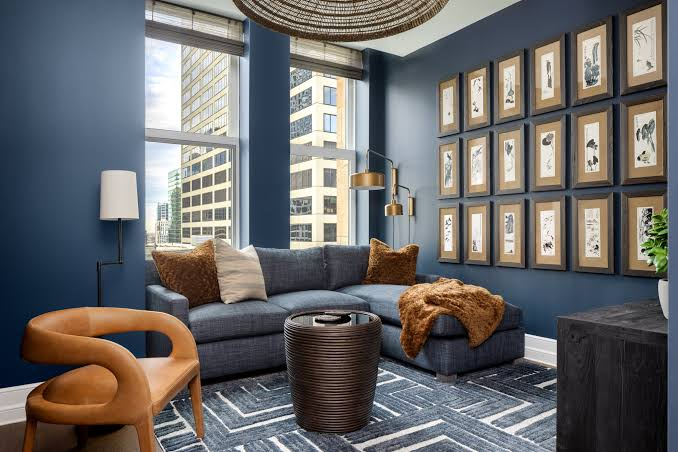
Navy blue walls ground the space. Source: Livingetc / Which Colors Should I Use With Navy Living Room Walls? | Livingetc
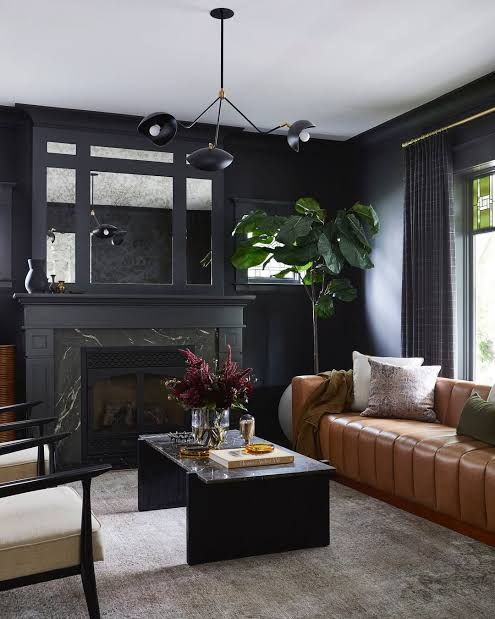
Velvet upholstery adds necessary warmth. Source: TheCoolist / 23 Moody Living Room Ideas That Create a Cozy, Intimate Atmosphere
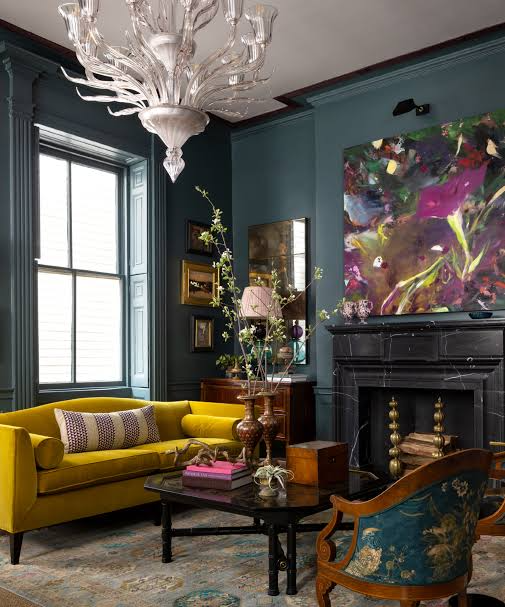
Eclectic styling with natural greenery. Source: Real Homes / Eclectic living room ideas – 9 ways to embrace a unique look …
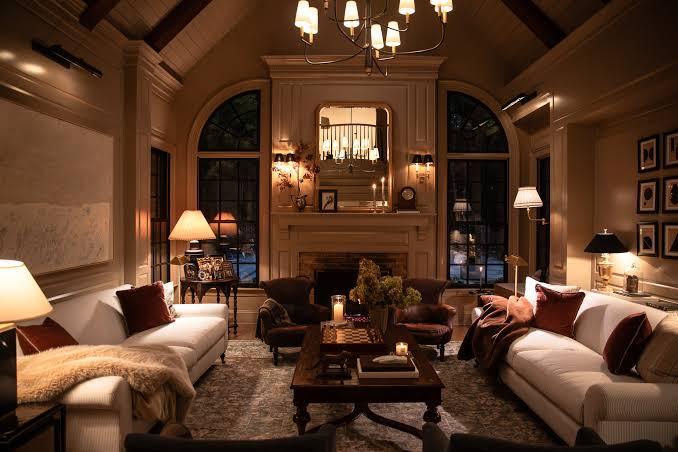
Layered ambient lighting creates the mood. Source: Chris Loves Julia / How We Get That Moody, Layered Glow: A Room-by-Room Lighting Guide …
Core Elements of a Chic Moody Lounge
To pull off this sophisticated aesthetic without making your room feel small or depressing, you must balance several crucial design elements.
1. The Power of Saturated Paint
The foundation of a moody room is the color palette. Step away from standard black and explore the rich nuances of charcoal gray, deep navy blue, forest green, rich plum, or espresso brown. A popular technique is “color drenching,” where you paint the walls, baseboards, crown molding, and even the ceiling the exact same dark color. This erases the visual boundaries of the room, making the ceiling feel infinitely higher and giving the space a seamless, jewel-box quality.
2. Layering Luxurious Textures
When you remove bright colors from a room, texture must step up to provide visual interest. A dark room with flat, cheap fabrics will feel lifeless. You need fabrics that catch and play with whatever light is available. Introduce heavy velvet sofas, bouclé accent chairs, chunky knit throw blankets, and distressed vintage leather. The friction between a smooth, cool leather chair and a plush, warm velvet pillow brings the dark room to life.
3. Metallic Accents to Pierce the Dark
Every dark room needs elements that reflect light. Warm metals are the perfect counterbalance to deep, cool wall colors. Unlacquered brass, brushed gold, and antique copper fixtures act like jewelry for your room. Whether it is a heavy brass coffee table tray, gold picture frames, or a striking copper floor lamp, these metallic touches pierce through the shadows and add an undeniable layer of chic glamour.
4. Dramatic Floor-to-Ceiling Drapery
Window treatments make or break a moody lounge. Flimsy blinds ruin the illusion of luxury. Opt for heavy, lined drapes in materials like velvet or heavy linen. Hang the curtain rod as close to the ceiling as possible and let the fabric pool slightly on the floor. This dramatic vertical line draws the eye upward and adds a theatrical, acoustic-dampening softness to the space.
5. Curating Eclectic Vintage Pieces
A moody room thrives on a bit of mystery and history. Instead of buying a matching furniture set off a showroom floor, mix eras and styles. Pair a sleek, modern, low-profile sofa with an ornate, antique gilded mirror or a heavily distressed Persian rug. These eclectic choices give the room a curated, collected-over-time energy that feels incredibly authentic and deeply personal.
The Lighting Equation
Lighting is the absolute most critical component of a dark room. If you rely solely on bright, overhead recessed lighting, your dark walls will look harsh and institutional. The secret is layered, ambient lighting.
You want to create distinct pools of warm light throughout the room. Utilize floor lamps next to reading chairs, small table lamps on credenzas, and wall sconces to wash light gently down the dark paint. Ensure all your bulbs are in the “warm white” spectrum—around 2700 Kelvin. This mimics the warm, inviting glow of candlelight or a fireplace, which naturally complements dark, saturated room colors.
Important Things to Consider Before Painting
Before you commit to a dark aesthetic, thoroughly evaluate the natural light in your lounge. Which direction do the windows face? A room that receives brilliant, direct sunlight all day can handle a matte black wall effortlessly, as the sun will reveal the subtle undertones of the paint. A north-facing room with minimal natural light will require a paint color with slightly warmer undertones—like an aubergine or a deep olive—so the space does not feel freezing cold.
Always test your paint. Paint massive swatches on different walls and observe them at 9:00 AM, 2:00 PM, and 8:00 PM with your lamps turned on. Dark colors shift dramatically depending on the light source, and a charcoal gray that looks beautiful in the morning might turn into an unappealing purple by nightfall.
When you capture the final reveal of your newly transformed dark and chic lounge to share online, pay attention to the format. For visual discovery platforms, cropping your aesthetic room photos to a portrait 1000 × 1500 pixel canvas ratio ensures they look incredibly professional and take up maximum screen real estate.
Summary
Creating a dark, moody living room is an exercise in restraint, balance, and intentionality. It is about trading the safety of bright white walls for the rich, emotional depth of saturated colors like navy, emerald, and charcoal. By mastering the art of layered ambient lighting, introducing highly tactile fabrics like velvet and leather, and utilizing warm metallic accents to reflect light, you can transform a standard living room into a chic, high-end sanctuary. This aesthetic not only elevates the visual appeal of your home but fundamentally improves your daily life by providing a comforting, cocoon-like environment designed specifically for rest and decompression.
Frequently Asked Questions
Will painting my living room a dark color make it look smaller?
Not necessarily. While light colors advance toward the eye, dark colors actually recede. When you paint a room—especially if you color-drench the walls, trim, and ceiling—the edges of the room become blurred. This optical illusion can actually make a small room feel endless, like looking out into the night sky, rather than feeling like a cramped, dark box.
What flooring works best with dark, moody walls?
Contrast is key here. If your walls are very dark, a medium-to-light warm oak floor provides a beautiful, grounding contrast that keeps the room from feeling bottom-heavy. If you already have dark hardwood floors, you must break up the darkness by anchoring your seating area with a large, light-colored or richly patterned area rug.
How do I decorate a dark room without it looking like a Halloween set?
Avoid using stark, bright white as your only contrasting color, as the extreme contrast can look jarring and cartoonish. Instead, use softer, warmer neutrals like cream, mushroom, or taupe. Additionally, avoid overly gothic accessories. Stick to chic, modern silhouettes, natural greenery, and elegant brass or gold finishes to maintain a sophisticated, upscale vibe.
Can I achieve a moody vibe if I am renting and cannot paint the walls?
Absolutely. You can create a chic, dark aesthetic through your furniture and decor choices. Invest in a large, dark area rug to cover light carpets. Use heavy, dark velvet curtains to cover large, blank walls. Bring in dark, oversized artwork and rely heavily on low, warm ambient lamp lighting rather than using the bright overhead fixtures provided by your landlord.