 zafarhaseeb423@gmail.com
Living in a home with limited square footage often feels like a balancing act between style and functionality. It is easy to look around a compact living area and feel hemmed in by bulky furniture, dark corners, or clutter. When square footage is tight, you might worry that sticking to a neutral color scheme will leave your room looking flat, boring, or cold.
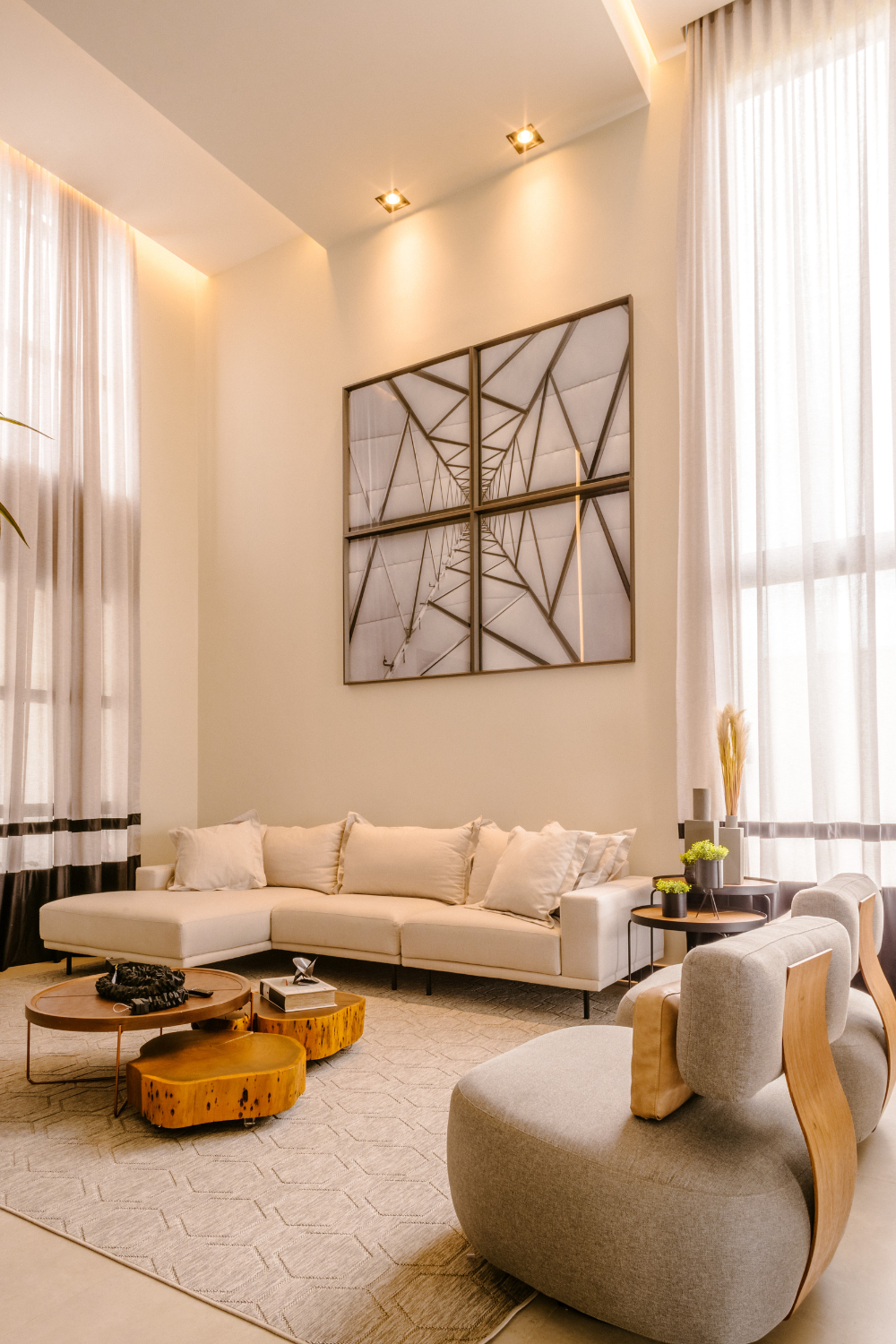
A modern neutral palette is one of the most powerful design tools for small living rooms. By combining warm whites, taupes, soft greys, and earthy ivories, you reflect natural light and remove visual boundaries that make a room feel boxy. When you layer these quiet shades with rich tactile textures, thoughtful furniture shapes, and warm wood accents, even the tiniest lounge becomes an airy, tranquil retreat.
1. Choose a Tailored Sofa with Slim Track Arms
In a compact room, every inch counts. Traditional rolled-arm sofas can steal up to eight inches of floor space on either side without adding an inch of sitting room. Choose a sleek, modern sofa or apartment-scale sectional featuring clean, straight track arms or no arms at all. Upholstery in warm oatmeal, soft ivory performance linen, or textured cream weave keeps the sofa feeling light rather than heavy and dominant.
2. Elevate Furniture on Slender, Exposed Legs
Solid, skirted furniture that sits directly on the floor blocks light and stops the eye dead in its tracks. To make a small living area feel expansive, look for sofas, armchairs, and media consoles raised on slender, tapered legs in natural wood or black metal. When you can see the unbroken floor running underneath your furniture, your brain perceives the entire room as significantly larger.
3. Introduce Softness with Rounded Silhouettes
Small rooms are naturally full of sharp, hard angles: square corners, rectangular windows, and blocky doorways. Break up that rigid geometry with soft, curved silhouettes. A round or oval coffee table, a curved back armchair, or round ceramic accent stools eliminate clumsy pathway snags while introducing gentle, organic movement to modern lines.
4. Layer Tonal Textures to Prevent a Flat Aesthetic
A monochrome neutral living room falls flat only when everything shares the same finish. The secret to an inviting neutral space is tactile contrast:
- A chunky wool or woven natural jute area rug underfoot
- A crisp cotton-linen blend on your main seating
- Nubby cream bouclé, soft washed corduroy, or ribbed velvet accent cushions
- Smooth blonde oak, fluted timber, or matte travertine on tabletop surfaces
When natural light washes across these varied surfaces, the room reveals rich dimension without needing a single drop of bold color.
5. Mount a Floating Media Console
Bulky entertainment centers are notorious space hogs. Swapping a heavy floor-standing TV stand for a wall-mounted floating console immediately frees up valuable floor space. Keep the lines minimal, perhaps with a subtle fluted wood front or a soft off-white finish. The exposed wall and floor beneath give your media wall a custom, airy feel while keeping cords and components neatly hidden.
6. Maximize Daylight with Floor-to-Ceiling Semi-Sheer Curtains
Heavy, dark drapery can make a small living room feel cave-like. Instead, install a slender curtain rod high—just below the ceiling line—and extend it several inches past your window frames. Hang floor-length, semi-sheer linen drapes in warm cream or ivory. They filter harsh glare into a gentle, golden daylight while maintaining complete privacy and emphasizing the room’s vertical height.
7. Use Multi-Functional Nesting Coffee Tables
Flexibility is vital when every square foot has to work double-duty. Instead of a massive, heavy coffee table that permanently blocks your walkways, opt for a set of two or three nesting tables made from pale travertine, natural ash wood, or slender brass. You can tuck them together for everyday living to maximize open floor space, or slide them apart when friends drop by and need somewhere to set drinks.
8. Mirror Your Light Source Intentionally
A strategically placed mirror is the oldest interior trick in the book, and it works every time. Hang a tall arched or minimal rectangular mirror with a thin natural wood or brass frame directly across from your primary window. It reflects outdoor greenery, catches the afternoon sun, bounces daylight into shadowy corners, and tricks the eyes into feeling like there is a whole second room beyond the wall.
9. Frame Modern Art with Generous White Matting
Instead of cluttering a small room with dozens of tiny frames, create a clean visual statement with large-scale artwork. Choose two or three matching frames in light oak or slim black, and pair them with oversized white mats featuring simple, minimalist line sketches or neutral abstract prints. The wide white matting gives the artwork breathing space and elevates the wall into a boutique gallery aesthetic.
10. Bring the Outdoors In with Slender Architectural Plants
Faux or real greenery adds life and vitality to a neutral room. Skip wide, sprawling house plants that crowd valuable floor area. Instead, pick tall, slender plants with delicate foliage—such as a faux olive tree, a tall fiddle leaf fig, or a slender palm—housed in a pale ceramic pot or ribbed stone planter. The green tones serve as a natural, refreshing neutral without competing with your decor.
11. Ditch Overhead Glare for Low-Level Ambient Lighting
A single bright ceiling fixture casts stark downward shadows that make tight walls feel oppressive. Build a cozy, layered lighting scheme using diffused sources placed at different heights:
- A slender floor lamp with a linen drum shade tucked next to an armchair
- Small cordless ceramic accent lamps nestled on floating shelves
- Warm white plug-in sconces flanking your artwork or sofa
Always choose bulbs around 2700K (warm white) to wrap your pale neutrals in a warm, inviting glow every evening.
12. Create Hidden Storage Hubs
Visual clutter is the number-one enemy of small-space living. When everyday items pile up on tables, a small neutral space looks messy fast. Integrate discreet, textured storage pieces: a woven seagrass ottoman with a removable lid, hollow fabric cubes inside shelving units, or small lidded bone-inlay boxes on your side table for remotes and charging cables.
13. Anchor the Seating with an Appropriately Sized Rug
One of the most common decorating mistakes in small living rooms is buying a tiny rug that floats like a postage stamp under the coffee table. A undersized rug divides the floor and makes the room look miniature. Select an area rug large enough for at least the front two legs of every seating piece to rest comfortably on top. This visually connects your furniture and sets clear, expansive boundaries for the lounge zone.
14. Add Visual Punctuation with Matte Black Accents
A light, neutral palette can sometimes feel weightless without grounding details. Interior stylists call this “visual punctuation.” Sprinkle in thin, purposeful touches of matte black or dark bronze—such as a slim metal floor lamp, slender picture frames, black iron table legs, or small drawer pulls. These crisp accents provide contrast and give pale creams and greys a crisp, intentional structure.
15. Zone Your Open Concept Layout with Subtle Color Shifts
If your small living room doubles as your dining area or home office, use soft tonal shifts rather than walls or heavy dividers to create dedicated zones. Paint your living area in a soft, luminous off-white, and define a work niche or reading corner with a slightly deeper warm taupe or creamy greige. The slight change defines the purpose of each area while preserving a seamless, uninterrupted sightline.
Important Things to Consider Before Decorating
| Factor | What to Keep in Mind |
| Natural Light Exposure | North-facing rooms need warm, creamy neutrals to counter cool blue daylight; south-facing rooms can handle cooler greys and crisp linen tones. |
| Scale and Proportion | Measure your main pathways before buying furniture; always ensure a minimum of 14 to 18 inches of clearance between tables and seating. |
| Fabric Durability | If choosing light-toned sofas, select performance linen, treated microfibers, or removable washable slipcovers for stress-free maintenance. |
| Material Variety | Mix hard and soft surfaces evenly: counter plush rugs and soft throws with metal details, stone surfaces, and natural grain woods. |
Trending Modern Neutral Styles to Explore
- Japandi: A peaceful blend of Scandinavian comfort and Japanese minimalism, characterized by clean lines, low-profile wooden furniture, and uncluttered craftsmanship.
- Warm Minimalist: Focuses on decluttered, functional layouts warmed up through plush bouclé, rounded corners, natural stone, and layered beige textiles.
- Organic Modern: Pairs sleek contemporary architecture with raw, earthy elements such as pale travertine, light oak, linen, and wild branches.
- Modern Mediterranean: Celebrates textured plaster walls, limestone tones, light terracotta accents, and soft, natural linen drapery.
How a Calming Living Room Impacts Your Daily Life
Your environment directly influences how your body and mind decompress. After spending your day dealing with bright computer screens, noisy traffic, and endless sensory input, stepping into a noisy, cluttered room keeps your nervous system on high alert.
Creating a quiet, neutral, and tidy living room has tangible benefits for your everyday wellbeing:
- Reduces Mental Overwhelm: Clean sightlines and a quiet palette allow your mind to step away from decision fatigue and mental clutter.
- Improves Sleep Quality: Spending your evenings relaxing under soft, warm lighting in a peaceful room helps signal your brain to lower cortisol and release melatonin.
- Brings Joy to Small Living: Making deliberate, beautiful choices for your living area transforms a tight layout from a limitation into a cozy, customized sanctuary you feel proud to call home.
Summary
Decorating a small living room with a modern neutral palette is all about balancing simplicity with tactile comfort. By opting for raised furniture with slim profiles, hanging sheer curtains high and wide, grounding the seating with an appropriately sized rug, and layering contrasting textures, you can turn tight dimensions into an open, luxurious lounge. You do not need massive square footage to live beautifully—only smart, intentional choices that let your space breathe.
Frequently Asked Questions
Will an all-neutral living room make my small space look cold or sterile?
Not if you focus on texture and warmth. Sterility happens when everything is smooth, plastic, or pure cool white. By incorporating warm creams, natural timber, woven rugs, linen, and 2700K warm lighting, a neutral room feels inviting and cozy.
What is the best neutral paint color for a living room with little natural light?
Choose warm whites or light greiges with subtle yellow, peach, or beige undertones. Avoid stark, pure whites or cool blue-undertone greys, which look shadowy and muddy in dimly lit spaces.
How do I choose between a sectional or a standard sofa for a small living room?
A small chaise sectional works well if placed neatly in a corner or along a wall where the chaise will not block walking paths. If your room is narrow or has multiple doors, a classic 72-to-80-inch track-arm sofa paired with a movable stool or small swivel chair offers far greater layout flexibility.