 zafarhaseeb423@gmail.com
Welcome to My Home Decorates. If you are staring at a compact living room and wondering how on earth you are going to fit a sofa, a TV, and a place to eat without turning the space into an obstacle course, you are exactly where you need to be.
Decorating a small apartment requires a mix of creativity, strategy, and a little bit of optical illusion. You do not need to sacrifice your dream aesthetic just because your square footage is limited. With the right layout, even the tiniest lounge can feel airy, welcoming, and incredibly stylish. Let’s break down exactly how to turn your cramped quarters into a spacious sanctuary.
Quick Summary
Before diving into the deep end of furniture arrangement, here is a quick snapshot of what we will cover to help you transform your space:
- Preparation is key: Measuring and understanding your traffic flow before moving a single chair.
- Strategic layouts: Floating furniture, creating zones, and maximizing corners.
- Iconic aesthetics: How famous decor styles like Minimalism and Mid-Century Modern naturally flatter small rooms.
- Mental benefits: The surprising psychological perks of a well-organized, optimized living room.
Important Things to Consider Before You Move Furniture
Moving heavy furniture around a tiny room is exhausting. Save your back and your patience by considering these crucial elements first.
Map Your Traffic Flow
Nothing makes a room feel smaller than having to squeeze past a sharp coffee table every time you want to get to the kitchen. Identify the natural walking paths in your room. Your layout should never block doorways, windows, or the main route across the room. Keep at least 30 to 36 inches of clear walking space in main thoroughfares.
Find Your Focal Point
Every room needs an anchor. In a small living room, this is usually the TV, a large window, or a fireplace. Once you establish your focal point, arrange your primary seating to face it. This creates a sense of purpose and prevents the room from feeling like a random collection of chairs.
Measure Absolutely Everything
Eyeballing furniture sizes is the biggest mistake you can make in a small apartment. Measure your room’s dimensions, and then measure the doorways and stairwells you need to pass through to get the furniture inside. Use painter’s tape on the floor to outline where potential new furniture will go. If the tape makes the room feel cramped, the actual furniture definitely will.
Embrace Multi-Functional Pieces
In a tight space, every piece of furniture needs to earn its keep. Look for storage ottomans that double as coffee tables, sofas with hidden compartments underneath, or nesting tables that can be tucked away when not in use.
Famous Decor Styles That Enhance Small Spaces
Some interior design styles are naturally suited for compact living. By adopting the principles of these famous decors, you instantly make your apartment feel larger and more cohesive.
Mid-Century Modern
Mid-century furniture is famous for its clean lines, organic curves, and—most importantly—its “leggy” profile. Sofas and chairs are raised off the floor on tapered wooden legs. Seeing the floor continue underneath the furniture tricks the eye into perceiving more floor space, making the room feel open and airy.
Scandinavian Minimalism
Scandinavian design relies on a neutral color palette, natural light, and a “less is more” philosophy. By keeping visual clutter to an absolute minimum and utilizing light woods and soft white or gray fabrics, Scandinavian decor reflects light beautifully. This style prevents a small room from feeling heavy or overstuffed.
Japandi
A beautiful blend of Japanese elegance and Scandinavian functionality, Japandi focuses on intentionality. It champions low-profile furniture. Keeping your seating and tables closer to the ground leaves more empty space near the ceiling, which makes standard apartment ceilings look dramatically higher.
Top Layout Strategies to Maximize Your Space
Here are the most effective floor plans for small living rooms. Pin your favorite setups to your home decor boards so you can reference them when you start moving things around!
1. The “Floating” Layout
Best for: Square rooms or open-concept apartments.
How it works: It feels counterintuitive, but pushing all your furniture against the walls actually makes a room look smaller and more rigid. Instead, pull your sofa and chairs a few inches (or feet) away from the walls. Place a console table behind the floating sofa to act as a room divider.
Why it works: Creating breathing room behind the furniture gives the illusion of depth. It tells the brain that the room is large enough to have space to spare.
2. The Zoned Approach
Best for: Long, narrow, rectangular rooms.
How it works: Do not try to make one long room serve one single purpose. Divide it into two distinct zones using rugs. Place a small sofa and a media console on one rug to create the entertainment zone. On the other end, place a small bistro table or a reading chair with a floor lamp to create a dining or quiet zone.
Why it works: Breaking up a bowling-alley layout stops the eye from focusing on the narrow walls and creates highly functional, cozy micro-rooms.
3. The Corner Hugger (The Sectional Strategy)
Best for: Rooms with limited wall space or lots of doors.
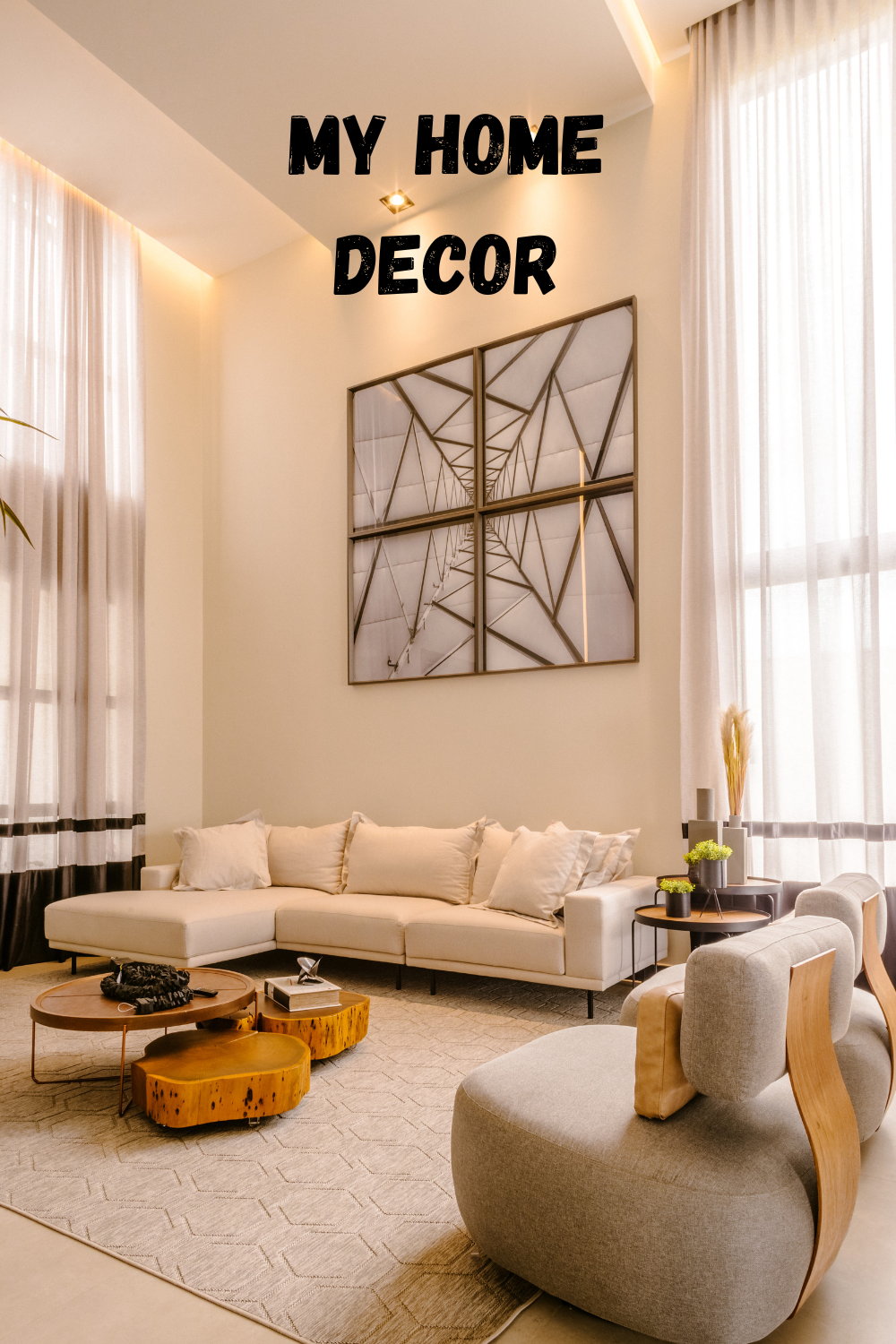
How it works: Many people think sectionals are strictly for massive houses, but an apartment-sized L-shaped sectional tucked into a back corner is a game-changer. Pair it with a small, round coffee table to contrast the sharp angles of the sofa.
Why it works: By consolidating all your seating into one continuous piece in the corner, you free up the center of the room. It maximizes seating capacity without cluttering the floor plan with multiple individual chairs.
Relevant Information & Pro-Styling Tips
Beyond the physical layout, a few visual tricks can dramatically expand your space.
- The Magic of Mirrors: Place a large mirror directly opposite your room’s biggest window. It bounces natural light around the space and acts as a second window, instantly doubling the visual depth of the room.
- Go Vertical with Curtains: Hang your curtain rods as close to the ceiling as possible, and let the fabric pool slightly on the floor. This draws the eye upward, making the ceiling look taller.
- Use Acrylics: A clear acrylic or Lucite coffee table provides a functional surface to place your drinks and books, but takes up zero visual weight. It practically disappears into the room.
- Strategic Rug Placement: A rug that is too small will chop up the floor and shrink the room. Buy a rug large enough that the front legs of all your main furniture pieces can comfortably rest on it.
The Effects on Life: Why Your Layout Matters
Decorating your living room is about more than just making it look ready for a magazine cover; it directly impacts your daily life and mental health.
Living in a cramped, cluttered space elevates cortisol levels and creates subconscious stress. When you bump into furniture or cannot find a comfortable place to relax, your home stops feeling like a sanctuary. By optimizing your layout, you create a sense of order. A well-designed small space promotes mental clarity, makes it easier to clean, and gives you the confidence to host friends without feeling embarrassed about the size of your apartment. When your environment flows well, your daily routines become smoother and much more enjoyable.
Bringing It All Together
Maximizing a small apartment living room is entirely about playing to the room’s strengths. By measuring carefully, prioritizing multi-functional furniture, leaving visual breathing room, and utilizing natural light, you can create a lounge that feels expansive and highly customized. Remember, the best layout is the one that supports how you actually live on a daily basis.
Frequently Asked Questions (FAQs)
Can I use dark colors in a small living room?
Yes, but use them strategically. While light colors reflect light and make a room feel larger, dark colors can create a cozy, moody vibe. If you want dark walls, paint the ceiling white to maintain height, and use plenty of layered lighting to prevent the room from feeling like a cave.
What is the best sofa shape for a tiny apartment?
An apartment-sized loveseat or a sleek, low-profile sofa with exposed legs is usually best. Avoid heavy, overstuffed recliners or rolled-arm sofas, which consume too much visual and physical space.
Where should I place the TV in a small room?
Mounting the TV on the wall is the best option for saving floor space. If that is not possible, place it on a slim, low-profile media console. Avoid placing the TV directly in front of a window, as the glare will make it unwatchable and it will block your natural light.
How do I add storage without cluttering the room?
Utilize vertical space. Install floating shelves high up on the walls for books and decor. Swap out a traditional coffee table for a storage ottoman, and use decorative woven baskets in the corners to hold extra blankets and pillows.